Get Your Septic Quote Started
Tell us what you see at home. Communityfrequent Septic will point you to a provider in our network, and you can compare quotes with no obligation.
No obligationKnowing how a pumping job goes makes it easier to budget for it. This page walks through a typical visit, the costs behind it, and the questions worth asking in South Jordan. Communityfrequent Septic is a referral service, not a provider. It matches your request with independent local providers, who do the work and give you a written quote. You decide who to hire, and there is no obligation.
Every home is different, but most pumping visits follow a similar path.
The provider asks about your tank size, the age of the system, and any trouble you have noticed. Some ask when it was last pumped. Have that date ready if you can find it.
The provider locates and opens the lids, then pumps out the tank. They look at the baffles, the filter, and the liquid level. If a lid is buried, digging may take extra time. A routine visit often takes a couple of hours.
A good provider tells you what they saw. You may hear about cracks, worn parts, or signs of drainfield stress. Ask for notes in writing.
The price comes down to a handful of factors: tank size, how far the hose must reach, how deep the lids are, and how much waste has built up. Typical U.S. ranges for routine septic tank pumping run about $300 to $700. Emergency septic cleaning, such as a backup during a storm, may cost more. Drainfield repair can run from a few thousand dollars up past $10,000. Sewer line repair often falls between $1,500 and $5,000 or more.
These are rough figures, and real jobs vary. Compare written quotes and look at what each one includes, not only the bottom line.
Good answers are specific. Hold on to any quote that is clear and fair.
Pumping solves today's problem. A few habits help you avoid the next one.
Ask the provider how often your tank should be pumped. The answer depends on tank size and how many people live in the home. Request a callback to check provider availability when it is time to schedule the next visit.
Many homes here are newer frame builds with wood or stucco exteriors, and basements are common. Basement plumbing sits close to the drains at the bottom of the house, so a backup can reach finished space quickly. Clear records of pumping and repairs help protect the home and support its value when you sell.
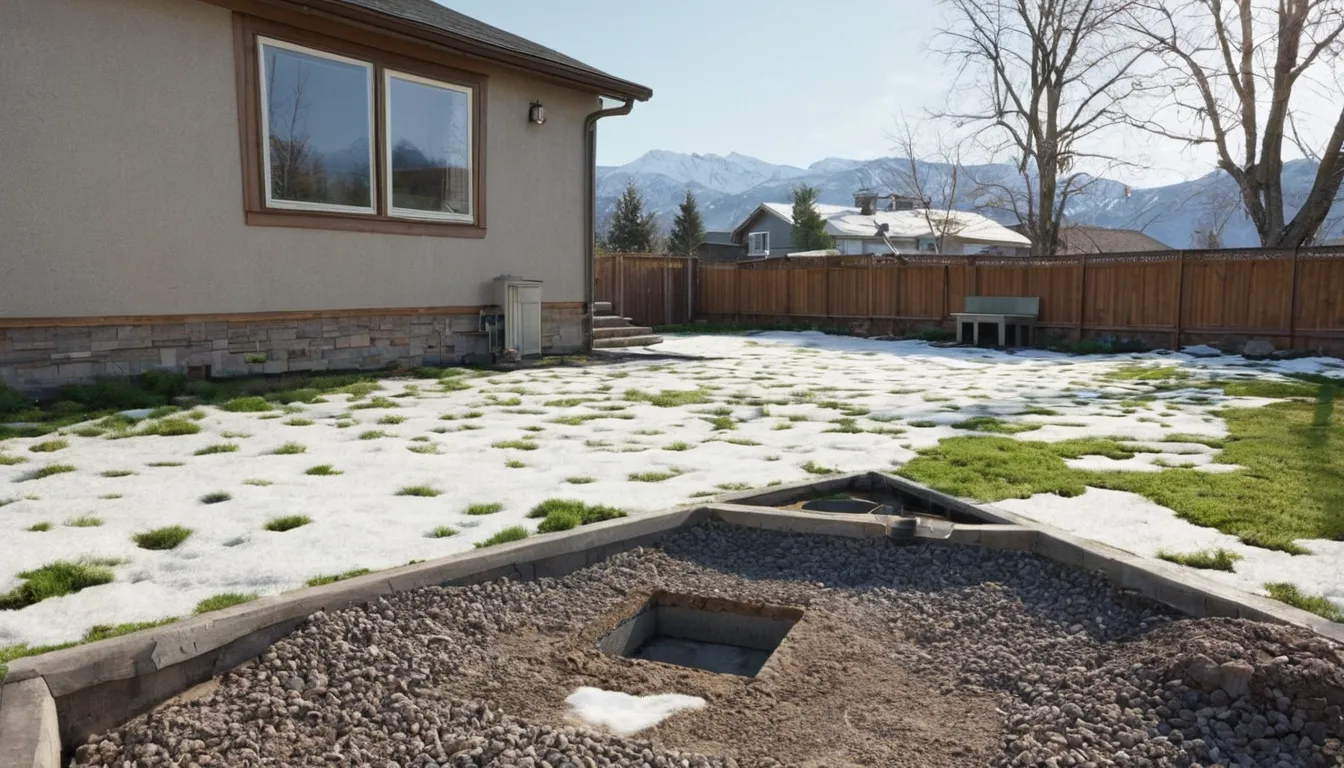
Plan with the seasons. Dry air and strong sun can bake the soil and crack lids or risers. Heavy snow loads press on the ground and on pipes. A fast spring melt can saturate a drainfield, so a tank that was fine in autumn may struggle in April. Hail can damage covers and vents.
Scheduling pumping before winter and checking the system after the melt can head off the worst surprises. Some policies may cover sudden damage, so check your policy.
Understanding the steps of a visit helps you ask better questions and spot a quote that leaves something out.
Tank size, access, and waste buildup shape the price. Knowing them helps you read quotes fairly.
Communityfrequent Septic is a referral service. Independent providers near South Jordan handle every step, from pumping to repairs.
Good records, steady habits, and seasonal checks reduce the risk of backups. That helps protect your home and its resale value.
Tell us what you see at home. Communityfrequent Septic will point you to a provider in our network, and you can compare quotes with no obligation.
No obligationTell us what you see at home. Communityfrequent Septic will point you to a provider in our network, and you can compare quotes with no obligation.
No obligation