Need septic tank pumping in Salt Lake City?
Tell us what you see at home. Communityfrequent Septic will point you to a provider in our network, and you can compare quotes with no obligation.
No obligation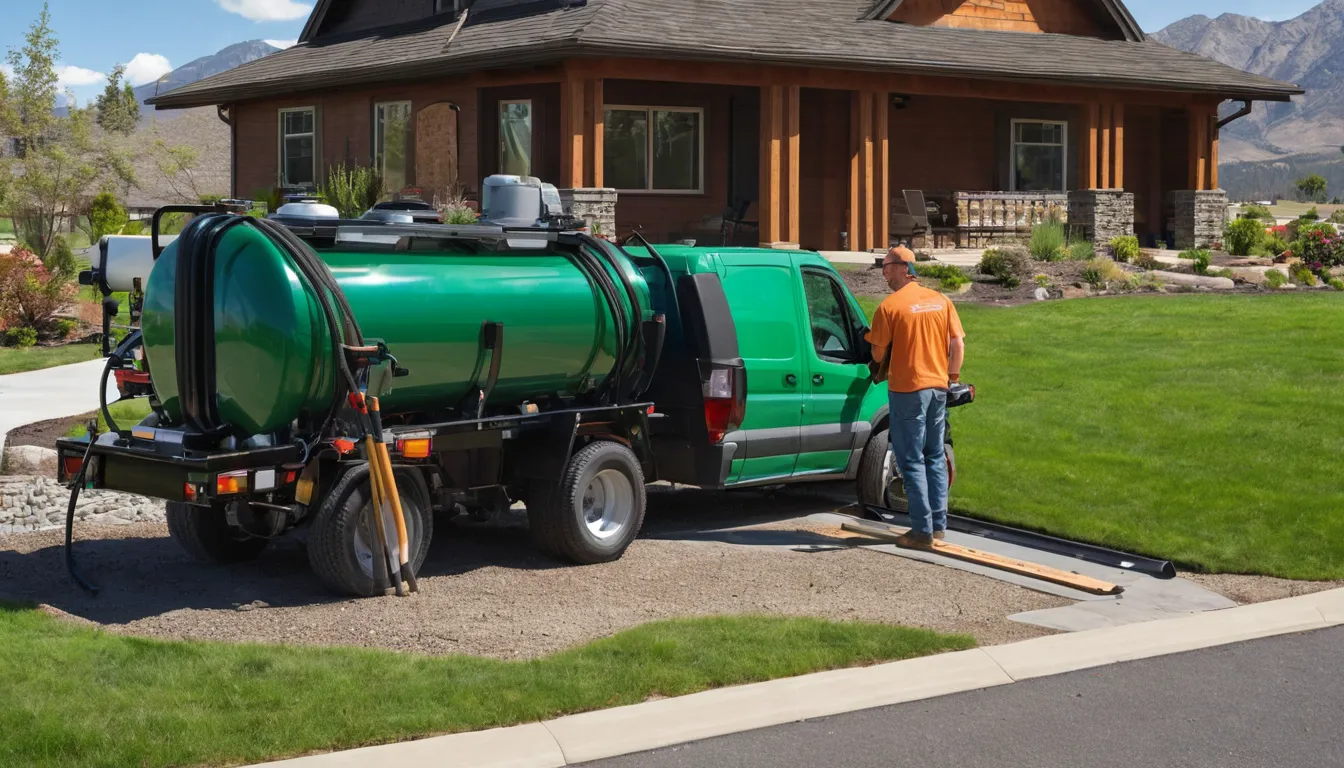
Request an estimate from local providers
Septic tank pumping removes the sludge and scum that build up inside your tank. Left alone, that buildup can reach the drainfield, and repairs there cost far more than a pump-out. Regular pumping is one of the more affordable ways to protect the whole system.
Communityfrequent Septic is a referral service. We do not pump tanks. We match your request with independent providers in our network around the Salt Lake City area, and they do the work. Each provider sets its own price, so we suggest you compare written quotes. Here you will find signs of a full tank, what drives the price, and how the seasons change the schedule.
Slow drains, gurgling pipes, or sewage smell near the tank? Treat it as urgent. A full tank can push waste into the house or into the drainfield.
Stop heavy water use first. Skip laundry, long showers and the dishwasher until a provider has looked at the tank.
Look for these clues:
One sign may be a clog. Several signs together often point to a full tank.
Emergency septic cleaning is a pump-out done on short notice because of a backup or overflow. Many providers can respond quickly, but availability depends on the provider and the season. A rush visit often costs more than a planned one, so it pays to schedule before things get bad.
Request a callback to check provider availability in your area.
Most households pump every three to five years. Your number depends on tank size, how many people live in the home, and how much water you use. A big family with a small tank may need pumping every two years or so. A couple with a large tank may stretch it longer.
A kitchen garbage disposal adds solids and shortens the gap. Ask the provider to suggest a schedule after they see your tank.
The weather sets the calendar for this job. Pick your window early and you give yourself more choices and calmer pricing.
Fast snowmelt can soak the ground around the tank and drainfield. Wet soil drains slowly, and a tank that was already near full gets into trouble first. Providers also get busy once the ground thaws, so book ahead.
Dry air and strong sun make the ground firm and easy to reach. That is good for access. Heavy guest weekends and extra laundry can fill a tank quickly, though.
Fall is often the calm, practical time. The ground is dry, the lids are easy to find, and you go into winter with room to spare in the tank.
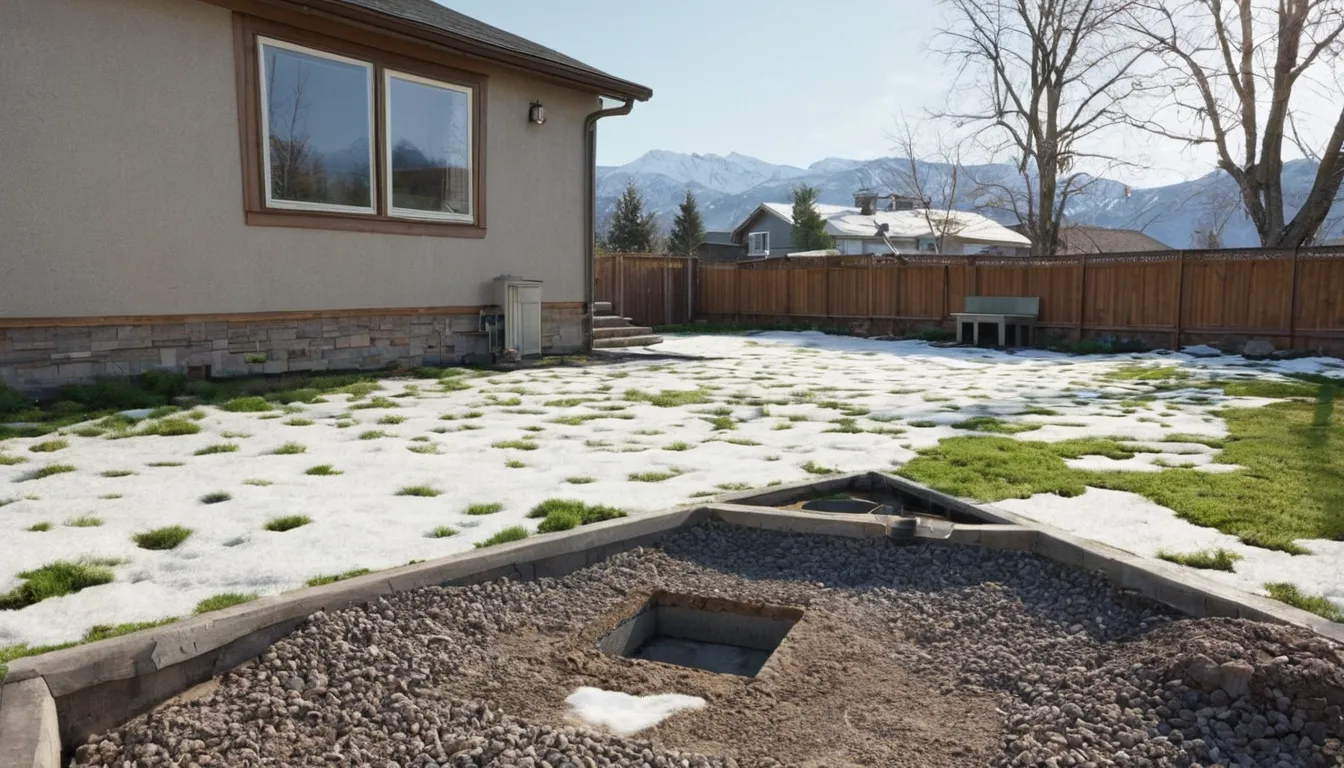
Heavy snow can bury lids and frozen ground can make digging hard. Marking your lids in autumn saves time later. Pumping in winter is possible, but it may cost more and take more planning.
The provider locates the tank and opens the lids. A truck hose pulls out the liquid, sludge and scum. They look at the baffles and the water level, then close everything up. Most visits for a standard tank are done in a couple of hours.
Tank size is the biggest factor. Bigger tanks hold more and cost more. Other things that move the number:
Get two or three written quotes and compare what each one includes. A quote that looks small at first can leave out items that show up later on the bill.
A pump-out is a great moment to look inside the tank, because the tank is empty. Ask the provider to check the baffles, the walls and the outlet. Catching a cracked baffle early costs far less than drainfield repair later.
Buyers and lenders often ask about septic records. A paper trail of regular pumping shows the system was cared for. That helps protect the home and its resale value. Keep every receipt in one folder.
If the property also has a private well, a pump-out record next to your water well service records tells a buyer the site has been looked after.
Ask each provider these things:
Then compare written quotes side by side and pick the one that fits your budget.
A provider removes liquid, sludge and scum from the tank so waste stops pushing toward the house or drainfield.
With the tank empty, the provider can look over the baffles, lids and walls for visible wear.
For backups and overflows, many providers can respond quickly. Availability and pricing vary, so ask first.
Ask for a note listing what was done and the tank condition. It helps with records and resale.
These are typical U.S. ranges. Your price depends on tank size, access, season and the provider. Ask for a written quote that lists exactly what is included before you agree to any work.
| Item | Typical range | Notes |
|---|---|---|
| Standard pump-out (about 1,000 gal) | $300 – $600 | Common for smaller homes |
| Large tank (1,500 gal or more) | $450 – $900 | More volume, longer visit |
| Emergency or after-hours pumping | $500 – $1,000 | Rush work often costs more |
| Pump-out with inspection | $400 – $800 | Includes baffle and tank check |
| Riser or lid installation | $200 – $600 | Makes future visits easier |
| Locating a buried tank | $100 – $300 | Needed when lids are not visible |
Share your tank size if you know it, any symptoms, and the timing you want through the request form.
Communityfrequent Septic passes your request to independent providers in our network.
Review each provider's price, what it includes, and when they have openings.
The provider you choose pumps the tank and can share notes on its condition for your records.
Planned pumping usually costs less than rush work or drainfield repair, and a written quote shows what you pay.
Booking around snow, melt and dry months gives you more choices and less stress.
A well-kept tank helps prevent backups, damaged floors and costly cleanup in a basement.
Pumping receipts show buyers the system has been cared for and support your home's value.
Tell us what you see at home. Communityfrequent Septic will point you to a provider in our network, and you can compare quotes with no obligation.
No obligationMost homes need pumping every three to five years. Tank size, number of people in the home and water use change that. A provider can suggest a schedule after checking your tank.
Typical U.S. prices run from about $300 to $600 for a standard tank. Large tanks, hard access and rush service cost more, so get a written quote before you book.
It is a pump-out done quickly because of a backup or overflow. Many providers can respond quickly, but availability varies. Request a callback to check provider availability.
Tell us what you see at home. Communityfrequent Septic will point you to a provider in our network, and you can compare quotes with no obligation.
No obligation