Need septic system repair in Salt Lake City?
Tell us what you see at home. Communityfrequent Septic will point you to a provider in our network, and you can compare quotes with no obligation.
No obligation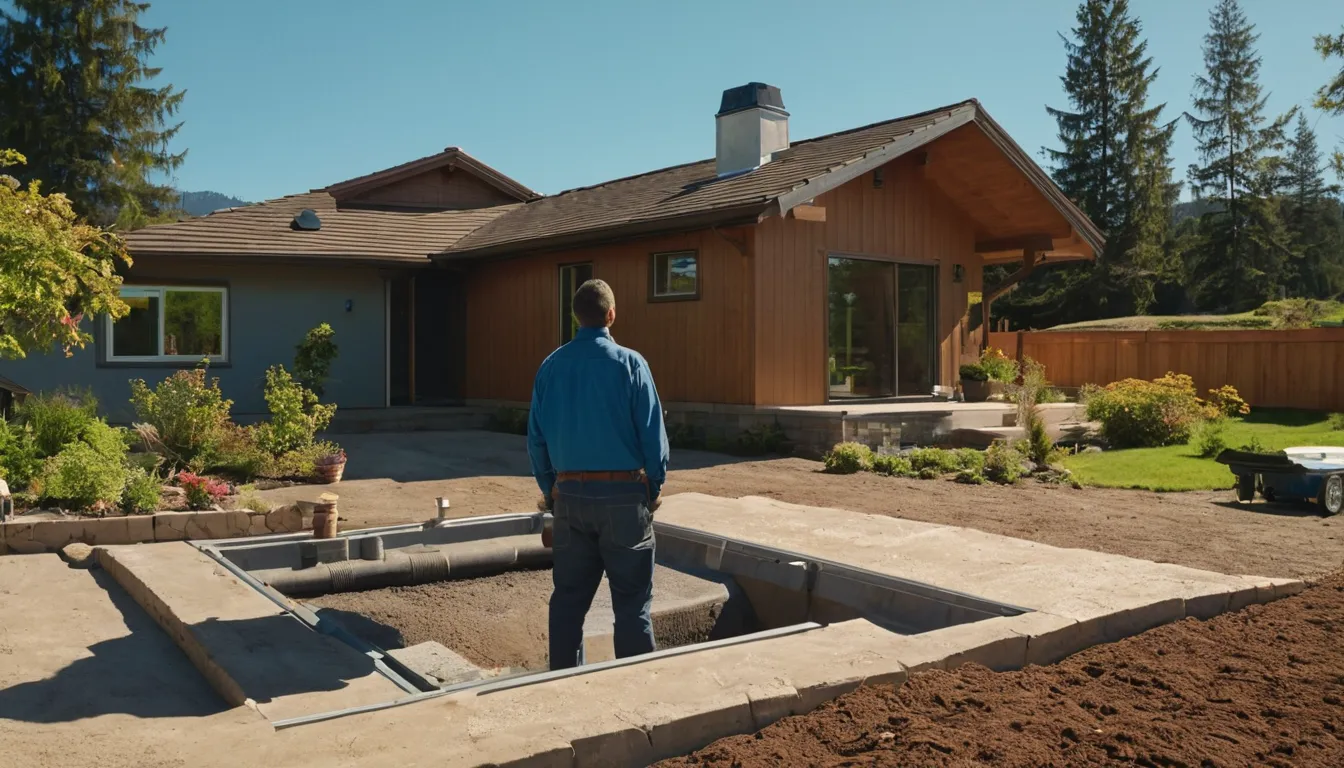
Request an estimate from local providers
A septic system repair fixes a failing part of your system, such as a broken pipe, a cracked tank lid, a worn pump or a drainfield that no longer absorbs water. Communityfrequent Septic is a referral service. We do not do the work. We connect homeowners in Salt Lake City and the Salt Lake City area with independent local providers who do.
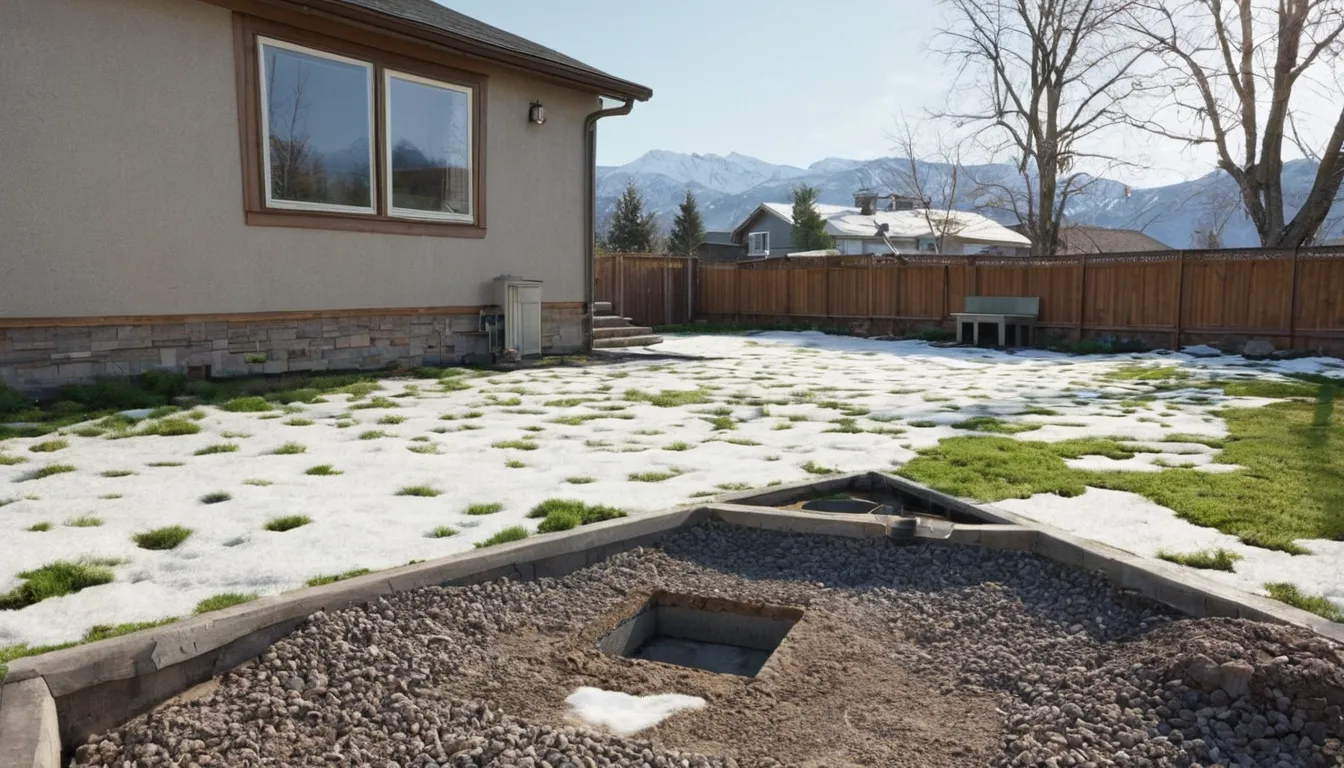
Most repairs cost less when caught early. Weather matters too. Frozen ground, deep snow and fast spring melt can delay digging or hide problems until the thaw. Dry summers make it easier to see what is failing. Ask for written quotes, compare the scope of work, and pick the repair that protects your home and its resale value.
A septic system has a few moving parts and a lot of buried ones. When something goes wrong, the symptom often shows up far from the cause. A slow drain in the basement may start at a clogged outlet or a saturated drainfield.
This page covers repairs to a system that already exists. If the tank is simply full, septic tank pumping may be all you need, and a provider can tell you which it is.
Some signs mean you should line up a provider soon. Others mean you can plan.
Backups and surfacing sewage are the urgent ones. Keep people and pets away, and cut back on water use until a provider looks at it.
Sometimes a provider has to empty the tank before any repair can start. In a backup, emergency septic cleaning can relieve the pressure and let them see what failed. Ask whether that cost is part of the quote or listed separately.
Weather sets the schedule. Plan with the seasons and you can avoid paying extra for a rushed job.
Intense sun and dry air also bake exposed lids, risers and shallow lines. Hail and heavy loads can crack weak covers.
The pipe from the house to the tank can crack, sag or fill with roots. Pipes from the tank to the drainfield can do the same. These repairs are often modest if the pipe is shallow.
Baffles keep solids from moving into the drainfield. If one breaks, solids can escape and clog the soil. Cracked lids are also a safety risk, so treat them as a priority.
Systems that use a pump to move wastewater can fail when a pump burns out or a float sticks. The fix is often a part swap, not a new system.
The drainfield is the costly part. Drainfield repair might mean fixing a damaged distribution box, clearing a clogged line, or adding a section. Replacement means digging out the field and building a new one.
Providers usually check the soil, the tank condition and how much water the house uses. Ask what caused the failure. If the cause is not fixed, the new field can fail too.
If you have a private well, mention it. Water well service may be worth scheduling after a major repair, since a failing field near a well is a health concern.
A provider usually starts with questions and a look at the tank, lids and yard. They may use a camera or a probe to find the problem. Then they explain the cause and give a written quote.
Smaller jobs may be done in one visit. Larger jobs may need a permit, a site plan or a scheduled dig date.
Think in trade-offs. A repair costs less now. A replacement costs more now but may end repeat visits. Consider these points.
A clean repair record and clear paperwork help at resale. Buyers and inspectors ask about septic systems, so keep the quotes, permits and receipts.
A leaking system can harm a basement, a foundation and the yard. Doing the job right protects the home. Frame homes with wood and stucco exteriors are no exception, because moisture from a saturated yard can find its way to the structure.
Some policies may cover sudden damage, but many exclude wear and tear. Check your policy. Providers can often help document damage for a claim.
A few habits keep the fix lasting longer.
Get at least two if you can. Compare the scope, not just the total. A low number that skips a camera check or the permit may cost more later. Fair quotes explain the work in plain words.
A provider checks the tank, lids, pipes and drainfield to find what is failing and why.
Cracked pipes, broken baffles and damaged lids are repaired to protect the rest of the system.
Worn pumps, stuck floats and faulty alarms are tested and replaced where needed.
Providers may clear, repair or replace sections of the field, depending on soil and damage.
Prices vary with soil, access, depth and local permit rules. These are typical U.S. ranges only. Always get a written quote that lists the work, parts and any permit fees before you agree.
| Repair item | Typical range | Notes |
|---|---|---|
| Tank lid or riser replacement | $300 – $1,500 | Depends on material and depth |
| Baffle or filter repair | $250 – $1,000 | Often found during pumping |
| Pipe repair or root clearing | $300 – $3,000 | Longer runs cost more |
| Effluent pump or float replacement | $500 – $2,500 | Varies by pump type |
| Distribution box repair | $600 – $2,500 | Common drainfield fix |
| Drainfield replacement | $5,000 – $20,000+ | Soil and permits drive the price |
Tell us what you are seeing, like backups, odors or soggy ground, and where your property is.
Your request goes to independent local providers in the network who handle this repair.
Review the scope, price and timing from each provider before choosing one.
The independent provider you hire completes the repair and handles any permit steps.
We explain what drives the price so you can judge a quote with confidence.
Comparing quotes from independent providers helps you see what is fair for your repair.
Planning around frost, melt and dry months can keep the job simpler and smoother.
Sound repairs help protect your property and support resale value.
Tell us what you see at home. Communityfrequent Septic will point you to a provider in our network, and you can compare quotes with no obligation.
No obligationIf the tank is full, pumping may solve slow drains. Repeated backups after pumping, soggy ground over the field or sewage smells often point to a failing part that needs repair. A provider can confirm.
Typical U.S. costs range from a few hundred dollars for a lid or baffle to many thousands for a drainfield. Ask for a written quote so you can compare the scope and total.
Urgent fixes often can be, but frozen ground and heavy snow make digging harder and may raise the price. Larger repairs are often scheduled for a drier season. Ask your provider what is practical.
Tell us what you see at home. Communityfrequent Septic will point you to a provider in our network, and you can compare quotes with no obligation.
No obligation