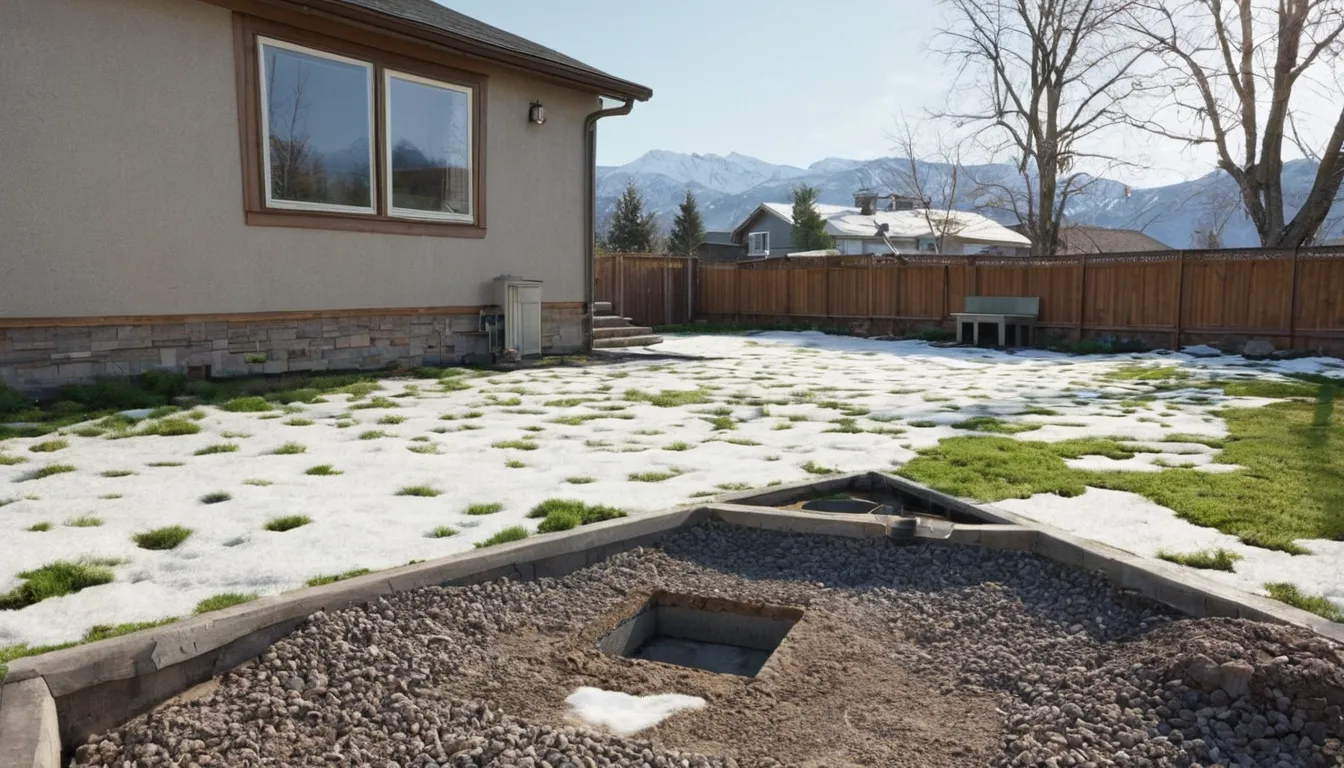
Need sewer line repair services in Salt Lake City?
Tell us what you see at home. Communityfrequent Septic will point you to a provider in our network, and you can compare quotes with no obligation.
No obligation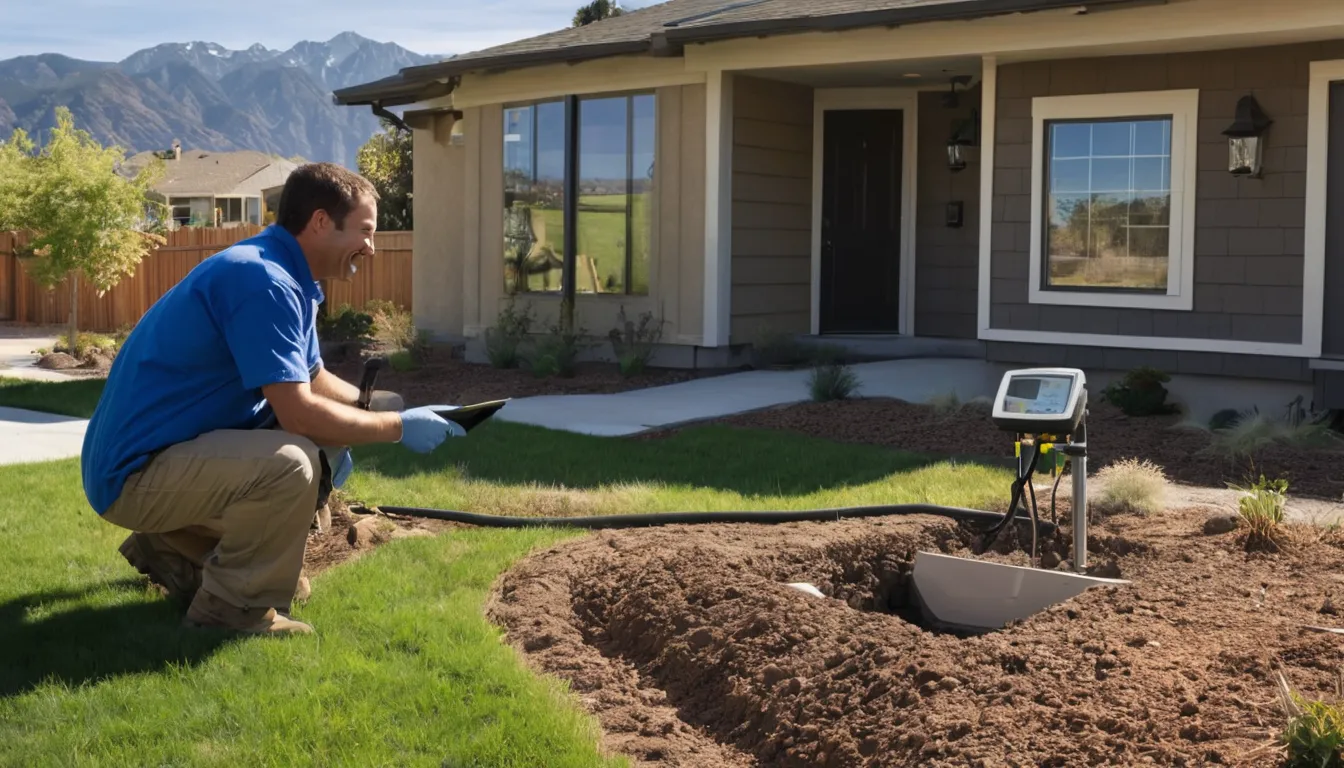
Compare written sewer repair quotes
A sewer line carries every drop of used water out of your home. When it cracks, clogs or sags, the waste has nowhere to go. It often shows up first as a slow drain, a gurgling toilet or a wet spot in the yard. Basement floor drains are usually where a backup appears.
Communityfrequent Septic is a referral service. We do not dig, camera or repair pipe. We connect homeowners in Salt Lake City and the Salt Lake City area with independent local providers who do. This page explains the signs, the repair choices and what drives the price, so you can read a written quote with confidence and pick a time that fits the weather.
If sewage is backing into a drain, take the safe steps first. Stop running water in the house. That means no laundry, no dishwasher, no showers and no flushing. Every gallon you send down has nowhere to go but back up.
Keep people and pets away from the wet area. Sewage water can carry germs, so avoid touching it with bare hands.
Basements are common in newer frame homes, and the floor drain is the bottom exit in the house. Move boxes and stored items off the floor. If water is near outlets or a panel, stay out and let a pro handle it.
Ask a neighbor if their drains are acting up too. If several homes are backed up, the city main may be the cause, and the utility handles that. If only your home is affected, the trouble is probably on your side of the property line.
Request a callback to check provider availability and describe what you see. Many providers can respond quickly to a backup. You can also use the request form.
Not every problem is a flood. Watch for slow drains in more than one fixture, gurgling after a flush, a sewage smell in the basement or yard, and green or soggy patches over the line. A small sinkhole in the lawn is a serious clue.
A drain that clogs again after plunging is a hint. A camera look early in the problem usually costs far less than an emergency dig later.
Roots slip into joints looking for water. Older clay or cast iron pipe cracks and flakes. Even newer homes can have a low spot, called a belly, where soil settled after building and waste collects.
Heavy snow loads and frost can shift soil around buried pipe. A fast spring melt soaks the ground and can move it again. Dry, hard summer soil can pull away from pipe and let joints slip.
A provider feeds a small camera through the line. It shows the break, the roots or the belly, and how far down the line it sits. Ask to see the video before you agree to any dig.
A spot repair digs up one bad section. Lining places a resin sleeve inside the old pipe with little digging. Full replacement swaps out the run, either in a trench or by pulling in new pipe. Each has trade-offs in cost, mess and lifespan.
Depth, length and access matter most. A line under a driveway, a deck or a mature tree costs more than one under open lawn. Pipe material, the repair method and local permit fees add to the total. The table on this page shows typical U.S. ranges. Your quote will vary.
Deep frost makes digging slow and can raise the bill. Spring melt is when many backups show up, so providers get busy. Late summer and early fall often bring dry, workable ground and an easier schedule. If your line is slow but still working, a fall camera check can help you plan the work.
Many areas require a permit for sewer work, and some require an inspection before the trench is closed. The pipe from your house to the property line is usually yours. The part past that point often belongs to the utility. Ask the provider who pulls the permit and who pays for it.
If your home is on a septic system, the picture changes. A full tank may need septic tank pumping, and a backup might call for emergency septic cleaning. Soggy ground farther out may point to drainfield repair. Homes with a private well may also want water well service checked if lines run close together. Those jobs have their own pages here. A good provider will tell you which problem you really have.
A hidden leak can rot framing and soak stucco bases and basement walls. Buyers often ask for a sewer scope during a sale, and a clean report with paperwork for the repair can protect the home's resale value. Keep the video, the invoice and the permit.
Some policies may cover sudden damage, so check your policy. Providers can often help document damage for a claim.
Ask what is included in the quote. Some providers backfill the trench and leave the surface rough. Others reseed, replace sod or patch concrete. Soil settles for a season, so ask how they handle sinking. Wood decks, fences and sprinkler lines may need to be moved.
Flush only toilet paper. Keep grease, wipes and kitchen scraps out of the drain. Keep trees with thirsty roots away from the line. Learn where your cleanout is and keep it clear of snow and debris.
Get at least two written quotes if the situation allows. Look at the method, not just the number. A lower price that skips the camera or the cleanup may cost more later.
A provider looks inside the pipe to find breaks, roots or low spots before any digging begins.
Roots and buildup can be cleared to restore flow while the next steps are planned.
Cracked or collapsed sections can be repaired or replaced, by digging or with less-invasive methods.
Ask whether trenches are backfilled and lawn, concrete or pavers are restored after the work is done.
Prices vary with depth, length, pipe type and what sits on top of the line. These are typical U.S. ranges, so always get a written quote before work starts.
| Item | Typical range | Notes |
|---|---|---|
| Camera inspection | $100 – $500 | Often worth it before any dig |
| Clog or root clearing | $150 – $600 | Roots may grow back |
| Spot repair | $1,000 – $4,000 | Depends on depth and access |
| Trenchless lining | $4,000 – $12,000 | Less digging, not for every pipe |
| Full line replacement | $3,000 – $15,000 | Longer runs cost more |
| Cleanout installation | $300 – $2,000 | Makes future service easier |
Tell us where the drains are slow or backing up, and whether it is a basement or a yard issue.
Communityfrequent Septic connects your request with independent providers who serve Salt Lake City and the Salt Lake City area.
Check the method, materials, permit and cleanup. Ask questions before you decide.
Pick a time with the provider that fits the weather and your budget.
Providers in our network are encouraged to put scope and price in writing so you can compare.
Know what changes the bill before you talk to anyone: depth, access, method and restoration.
Frost, melt and dry spells shape the schedule, so you can plan the work around them.
Sound repairs and good records help protect the house and support resale down the road.
Tell us what you see at home. Communityfrequent Septic will point you to a provider in our network, and you can compare quotes with no obligation.
No obligationCommon signs are slow drains in several fixtures, gurgling toilets, sewage smells, and wet or sunken spots in the yard. A provider can run a camera through the line to confirm the cause.
Typical U.S. costs run from a few hundred dollars for clearing to several thousand for spot repair or replacement. Depth, length and restoration change the total, so get a written quote.
Some policies may cover sudden damage, but wear, age and root damage are often excluded. Check your policy. Providers can often help document damage for a claim.
Tell us what you see at home. Communityfrequent Septic will point you to a provider in our network, and you can compare quotes with no obligation.
No obligation